

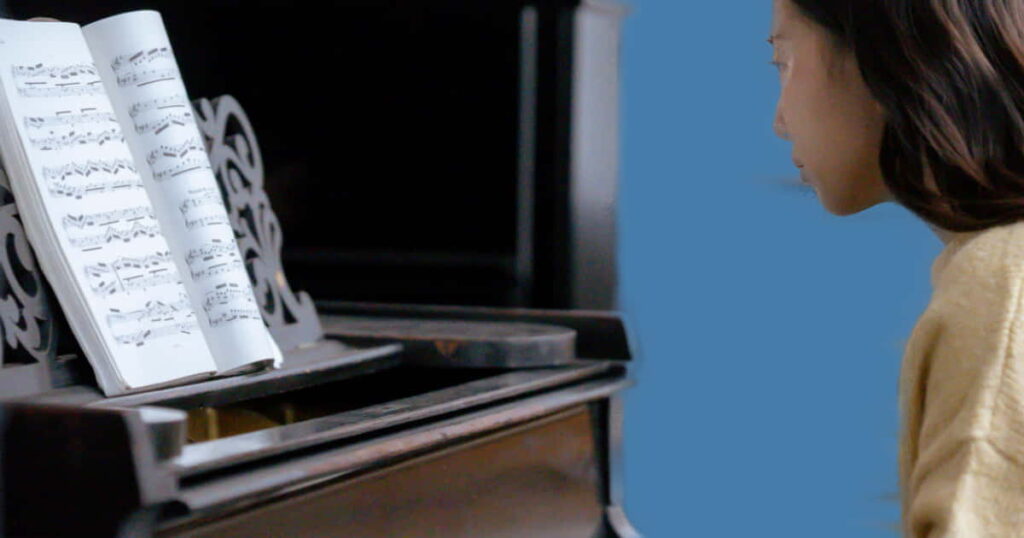
Sight-reading is one of the most important skills in piano playing. Many beginners ask how to get better at it, but end up practicing it the wrong way. The truth is simple: sight-reading is about reading new music fluently, without stopping, and building consistency over time.
In this guide, you’ll learn how to practice sight reading with a clear daily routine and practical tips that actually work.
What sight-reading really is
Sight-reading means playing a piece of music you have never seen before, at a steady tempo, from start to finish.
It is not about:
- Playing without mistakes
- Memorizing the music
- Fixing errors while playing
The real goal is continuity. Even if you miss notes, maintaining the rhythm and progressing at a steady tempo is what improves your reading skills.
Why daily sight-reading practice matters
Sight-reading improves through repetition of the process, not repetition of the same piece.
Short daily practice sessions train your brain to:
- Recognize musical patterns faster
- Process rhythm and notes simultaneously
- Stay calm when reading unfamiliar music
Ten minutes every day will bring better results than one long session per week.
A simple daily sight-reading routine for beginners
This routine is designed for beginner piano players and can be completed in about 10 minutes.
1. Prepare before playing
Before touching the keyboard, take a quick look at the score:
- Key signature
- Time signature
- Rhythmic patterns
- Hand position
This short preparation helps your brain anticipate what’s coming.
2. Read and play without stopping
Choose a piece that is easier than your normal playing level. For beginners, starting with grade 0 or grade 1 sheet music is ideal for sight-reading, as it lets you focus on reading fluently without being overwhelmed by complex music. If you’re below this level, I created these easier sight-reading sheets.
When you start playing:
- Keep a slow, steady tempo
- Do not stop to fix mistakes
- Keep your eyes on the music, not on your hands
The objective is to finish the piece in one pass.
3. Quick review
After finishing, ask yourself:
- Where did I hesitate?
- Was rhythm or note reading harder?
Do not repeat the piece. Move on and apply what you noticed the next day.
The biggest mistakes when practicing sight-reading
Avoid these common errors if you want to improve faster:
- Practicing pieces that are too difficult.
- Repeating the same music multiple times.
- Stopping every time you make a mistake.
- Looking down at your hands constantly.
Sight-reading improves by reading more music, not by perfecting one piece.
Tips to get better at sight-reading faster
Focus on rhythm first
If rhythm stays solid, small note mistakes matter much less. Your audience tends to notice mistakes when you stop playing, not when played a wrong pitch.
Read Ahead
Try to look at least one beat or one measure ahead of what you are playing.
Recognize Patterns
Look for scales, chords, and repeated shapes instead of reading note by note.
Accept imperfection
Making mistakes is part of the process. Fluency matters more than accuracy.
How long should you practice Sight-reading?
- Beginners: 5–10 minutes per day
- Intermediate players: 10–15 minutes per day
- Advanced players: 15–20 minutes per day
Consistency is more important than duration. Sight-reading is a skill you build over time, not a talent you either have or don’t. If you practice sight-reading daily, choose easy material, and keep moving forward without stopping, you will see steady improvement.
Read more music, stop less, and trust the process.
Related content:
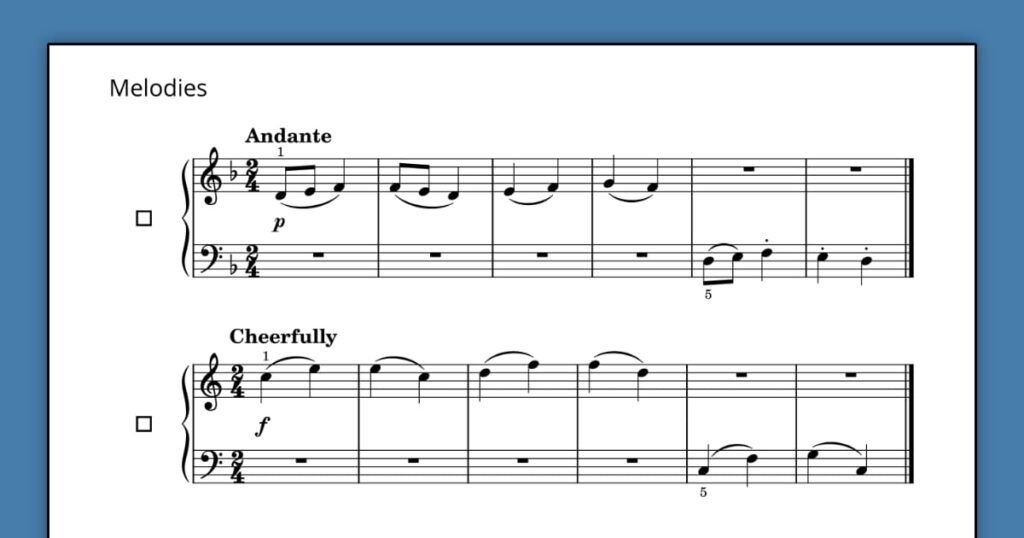
Sight-Reading Tips for Beginners
Sight-reading
Here, you’ll find tips and free practice sheets to help you get started.
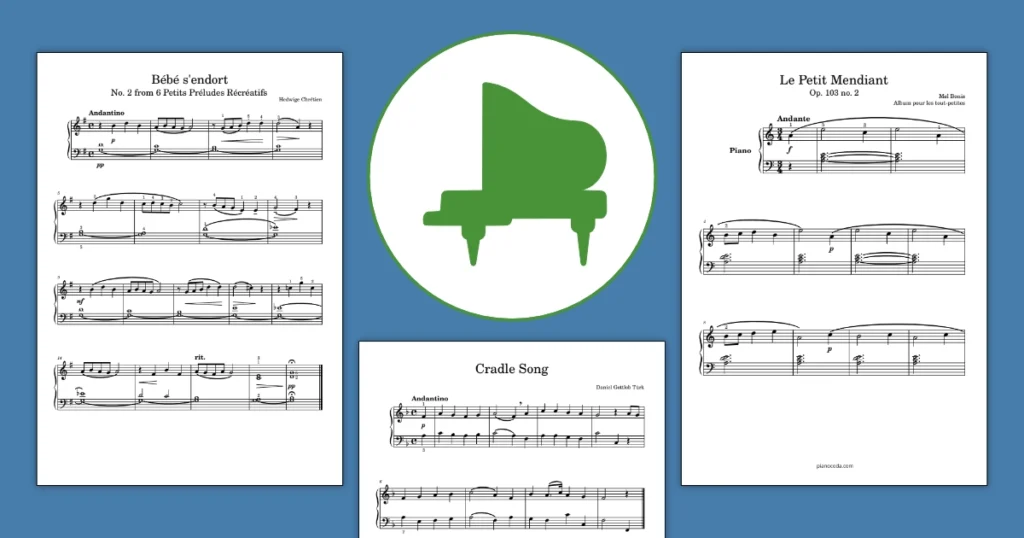
Best pieces
Discover the 10 easiest pieces with downloadable PDFs and audio recordings.